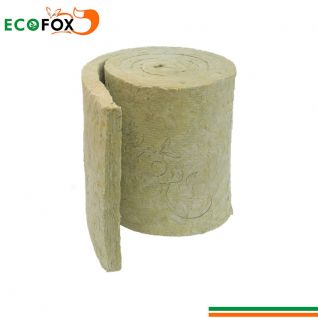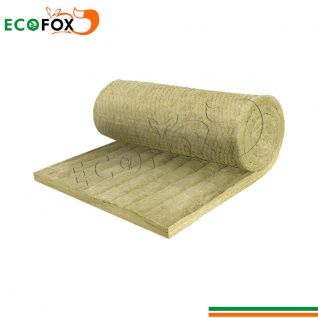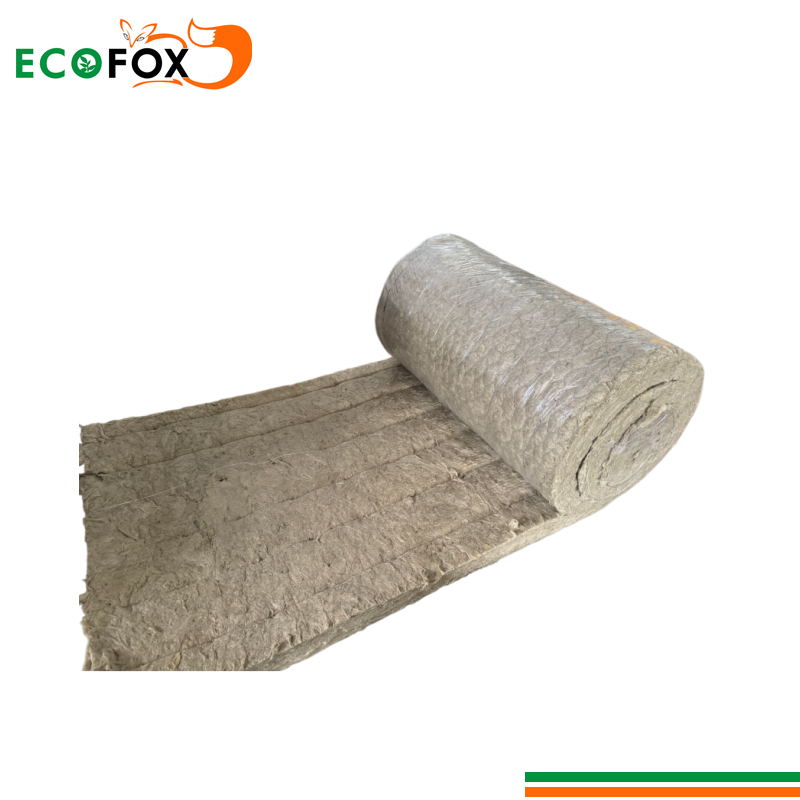
Creating an energy-efficient building envelope requires building materials engineered for long-term thermal resistance. Installing high-density mineral fiber insulation serves as an effective defense against unwanted heat loss in winter and solar heat gain during peak summer months. Formulated from refined slag, natural basalt mineral, and inorganic fibers, this advanced material forms an intricate, interconnected fibrous network that effectively traps static air pockets. By dramatically reducing conductive and convective heat transfer across wall cavities, roof structures, and ceiling plenums, it enables commercial and residential HVAC systems to maintain target temperatures with significantly lower power consumption, yielding substantial operational savings.
In modern architectural design and industrial construction, passive fire protection is a critical life-safety requirement. High-performance mineral fiber insulation offers exceptional resistance to intense heat, withstanding temperatures well above 1,000°C (1,832°F) without melting, slumping, or releasing toxic gas emissions. Because it is completely inorganic and classified as non-combustible, it acts as a passive firewall within wall assemblies and floor cavities. Implementing this barrier retards flame migration between structural compartments, giving building occupants critical time to evacuate during emergency situations while safeguarding load-bearing structural members against thermal collapse.
Beyond its thermal and fire resistance, sound dampening is essential for enhancing indoor environmental quality. The open-porous physical matrix of mineral fiber insulation makes it an outstanding acoustic absorber across broad frequency ranges. Sound waves striking the open fiber structure are converted into harmless thermal energy through friction, preventing airborne sound transmission and dampening structure-borne vibration. Whether specified for interior partition walls in corporate offices, multifamily residence party walls, or mechanical equipment rooms, it effectively eliminates background noise and preserves acoustic privacy.
Structural longevity depends on a material's capability to resist moisture accumulation, mold growth, and atmospheric degradation. Hydrophobic mineral fiber insulation naturally sheds liquid water, preventing water absorption inside exterior wall envelopes. The breathable fiber structure allows trapped water vapor to diffuse safely outward, eliminating the conditions that foster fungal decay, wood rot, or metal stud corrosion. The inorganic composition ensures the batts resist sagging, settling, or decomposing, ensuring reliable thermal performance throughout the entire service life of the building.
Sustainable construction demands eco-conscious materials that support low-carbon architectural goals. Commercial-grade mineral fiber insulation is manufactured using a substantial proportion of recycled industrial slag, significantly reducing raw material extraction and landfill impact. Free from volatile organic compounds (VOCs) and halogenated flame retardants, it protects indoor air quality while helping project teams earn points toward LEED, BREEAM, and WELL environmental certifications.
Fire Classification: Euroclass A1 / ASTM E136 Non-Combustible
Thermal Performance: High R-value stability across variable temperature ranges
Sound Control: High Noise Reduction Coefficient (NRC) up to 1.00
Moisture Behavior: Hydrophobic, non-hygroscopic, vapor-permeable
Environmental Safety: Zero VOC emissions, chemically inert, 100% recyclable
TIANJIN GREEN BUILDING TECH CO., LTD. is a leading manufacturer of environmentally friendly heat insulation materials, specializing in high-cost performance glass wool and stone wool insulation solutions for the building, industrial, and maritime sectors. Our products... [ Read More >>]