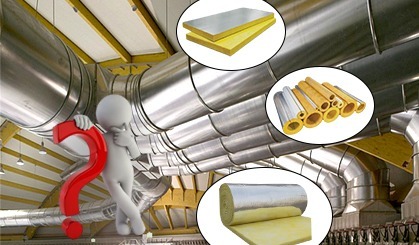
Glass wool products are used in modern construction and industrial fields. They are processed into different forms according to needs, and each type has different uses. This article will take you through the three aspects of glass wool products: types, characteristics, and application scenarios, so that you can choose the glass wool product that is most suitable for your use case.
Glass wool board is a rigid board made by centrifuging molten glass into ultra-fine fibers, adding a small amount of environmentally friendly binder, and then hot-pressing and curing it. Its density is usually between 24 and 96 kg/m³.
Suitable for use as an insulation interlayer for building exterior walls and steel structure workshops, it is also applicable to wall insulation in cold storage, clean rooms and other places where high surface flatness is required.
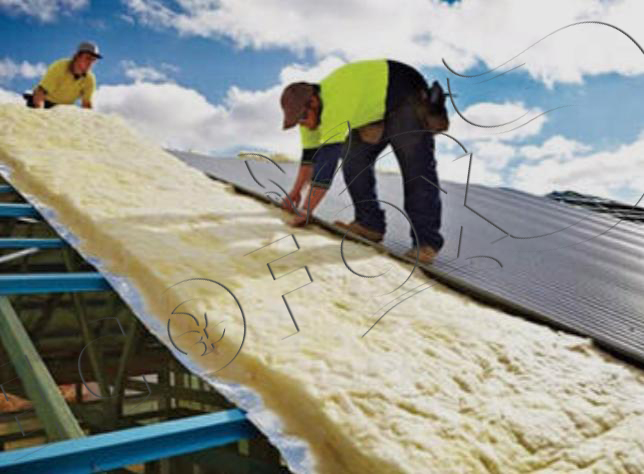
Glass wool blanket is made of looser glass fibers with a lower density (10–48 kg/m³), and is usually supplied in roll form. It is soft and can be bent at will.
Suitable for ceiling filling in office buildings, schools, stadiums and other places; noise reduction treatment for air conditioning ducts and industrial plants.
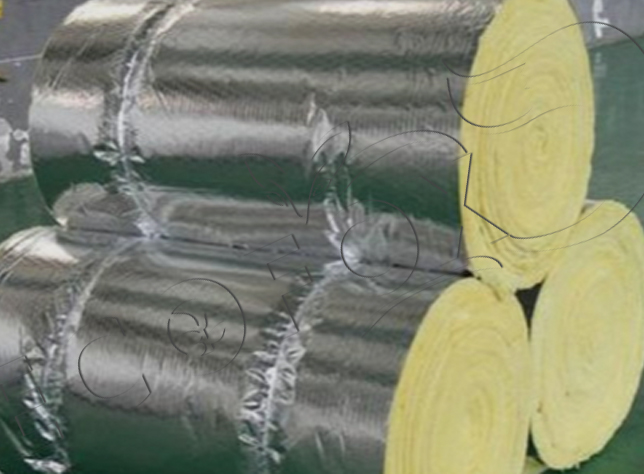
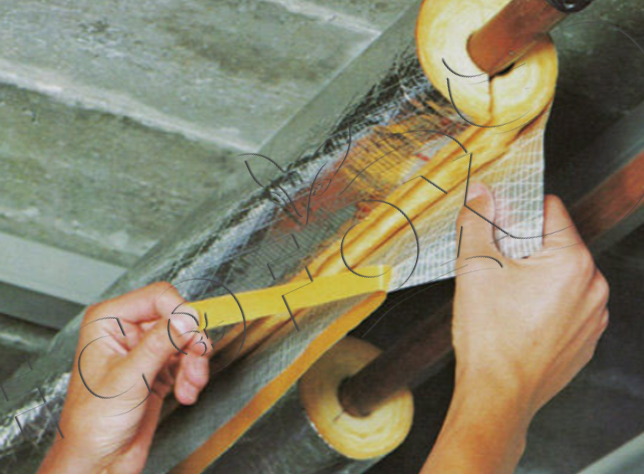
Glass wool tubes are tubular products made by preforming glass wool into semi-circular or full-circular shapes, with an inner diameter that matches the size of commonly used tubes.
Suitable for water tube insulation of large air conditioning equipment, building heating tubes and factory tubes.
Understanding a product's characteristics and application scope is crucial for ensuring materials truly serve their function, achieving the optimal balance between energy efficiency, safety, and comfort. Hopefully, this article will assist you in your material selection decisions.
If you need to purchase high-quality insulation materials or would like to learn more about our products, please contact our EcoFox Insulation Materials team!
TIANJIN GREEN BUILDING TECH CO., LTD. is a leading manufacturer of environmentally friendly heat insulation materials, specializing in high-cost performance glass wool and stone wool insulation solutions for the building, industrial, and maritime sectors. Our products... [ Read More >>]